
Cloud computing is a service that is gaining increasing popularity among consumers and businesses. Cloud computing means both storing and accessing data and programs via the internet, rather than on your computer’s hard drive. In this blog, we would like to further elaborate on the different layers of the cloud.
Are you familiar with the various facets of cloud computing?
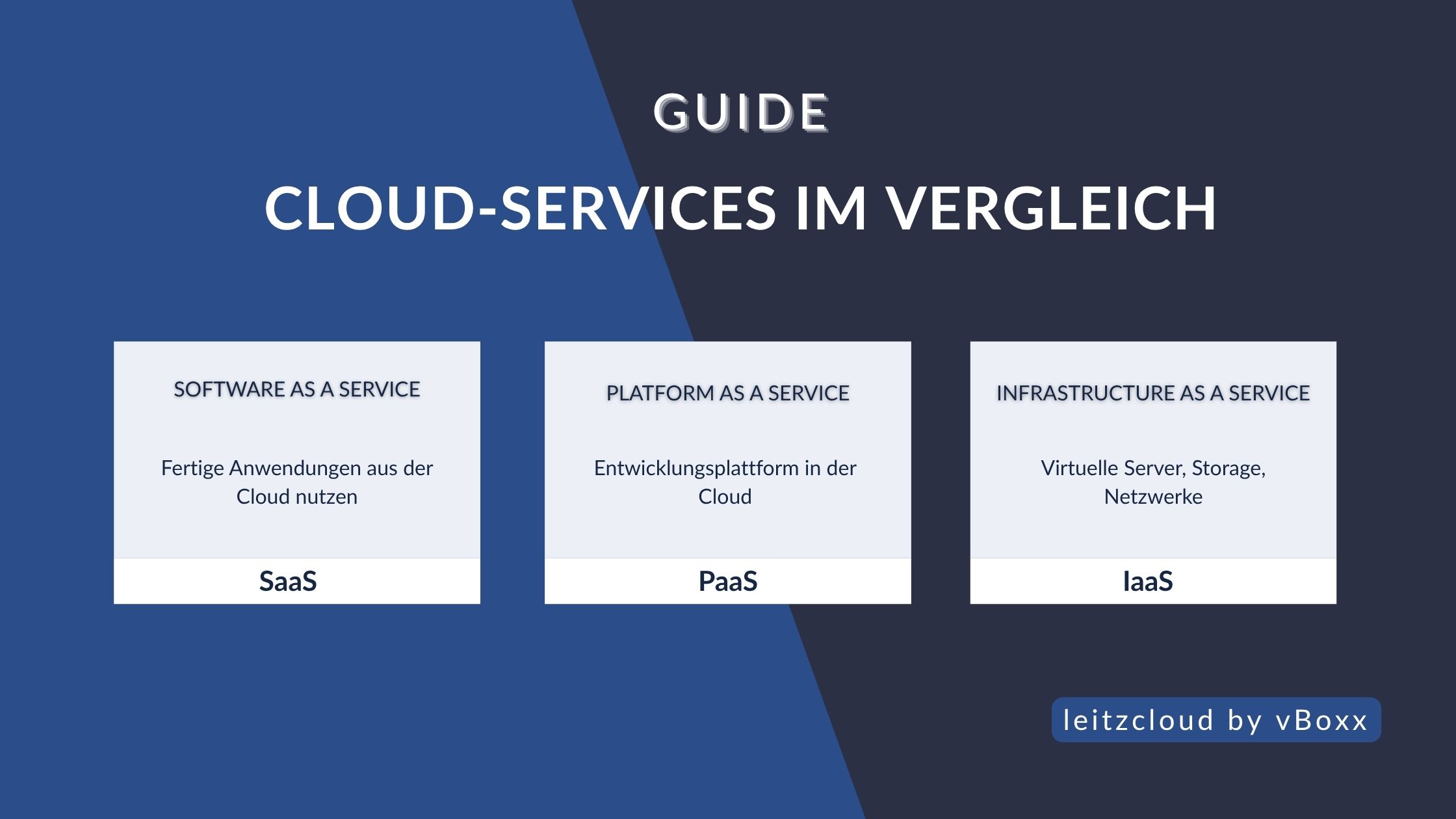
The cloud consists of various layers. The collective term for this is XaaS. It stands for a range of things and is therefore referred to as “X as a Service”. The most common examples of XaaS are Software as a Service (SaaS), Infrastructure as a Service (IaaS), and Platform as a Service (PaaS).
IaaS
The first layer of the cloud is IaaS. At this level, the end-user has the freedom to set up and manage the associated hardware. To enable this, it is important to have the right knowledge and sufficient experience. IaaS is offered to the user by a hosting provider.
PaaS
The second layer is PaaS. The provider offers a range of services in addition to IaaS. In the PaaS layer, the hardware and infrastructure are managed by the hosting provider, while the end-user is authorized to develop the software based on their own standards.
SaaS
SaaS is the final layer and the most widespread form of cloud, seen as the application layer of cloud computing. While PaaS and IaaS serve as base layers, SaaS is a fully developed service where the end-user is not obligated to purchase or maintain the software. However, the end-user enters into a contract with the hosting provider, typically paying a monthly fee and a per-user fee. This SaaS infrastructure provider handles installation, maintenance, management, and security.
Interested?
leitzcloud is the cloud for businesses, startups, and freelancers.
Share, edit, and store documents directly in one place – leitzcloud!
The software and hardware are not installed on the customer’s devices but in a data center of the SaaS hosting provider. The end-user always has access to the software via an internet connection or a private network, thereby gaining access to files.
The advantages of the SaaS model include:
- Easier management
- No maintenance
- Global accessibility
- All users have the same version of the software
- Easier collaboration
SaaS examples:
- Gmail
- Hosted Kerio Connect
- Office 365
- Dropbox
- leitzcloud
SaaS – leitzcloud
Are you still looking for a cloud solution that allows you to access your files from anywhere and simultaneously collaborate with your colleagues on specific files? Find out more here about leitzcloud and experience for yourself how simple, flexible, and secure it is to work in a protected cloud environment.