
NIS 2 Explained Clearly and Concisely
Due to increasing digitalization, critical infrastructures are repeatedly exposed to the growing risk of cyberattacks. To effectively counter this threat, the European Union (EU) has introduced the Network and Information Security 2 (NIS 2). But how exactly will NIS 2 help, and which of these directives must you follow as a company?
In response to the increasingly sophisticated digital threats to critical infrastructures within the European Union, the first NIS directive already laid a foundation. However, its scope was limited, and it failed to ensure a uniform security level across the entire EU. NIS 2 continues this objective by providing enhanced protection against digital attacks while ensuring that companies in critical sectors respond appropriately to potential security risks.
Although NIS 2 does not apply to as many companies as the EU General Data Protection Regulation (GDPR), it will undoubtedly become an IT standard for critical infrastructures in the EU. Estimates suggest that more than 100,000 companies will need to be NIS 2 compliant.
NIS2 Compliance Requirements
Companies must comply with NIS 2 if they provide services in an EU country, meet a certain size threshold, and operate in one of the 18 defined sectors. These sectors include essential areas such as energy, transport, banking, healthcare, and many more.
The directive comes into force on October 18, 2024, giving companies a limited timeframe to adjust their security measures accordingly. Compliance with NIS 2 therefore requires a comprehensive review and adjustment of security measures to meet the directive’s requirements and avoid potential fines.
This means that companies must review their network and information systems for potential vulnerabilities, develop security policies, report security incidents, and, where necessary, improve their cyber resilience.
With a clear understanding of NIS 2, companies can act proactively to strengthen their cybersecurity and protect the integrity of their systems. The official and complete Official Journal of the European Union for NIS-2 can be found here: Directive (EU) 2022/2555.
Cybersecurity for Critical Infrastructures
Essential entities are companies that act as key players in important sectors and therefore bear increased responsibility for security. They include not only organizations in critical industries such as energy, transport, finance, and healthcare, but also providers of trust services and DNS services. These companies play a crucial role in the functionality and security of EU infrastructure.
An attack on them could have far-reaching impacts on the economy, public safety, and the daily lives of citizens. Therefore, it is essential that they implement appropriate cybersecurity measures to ward off potential threats and ensure the continuity of their services.
NIS 2 requires these essential entities to strengthen their security precautions and actively strive to protect their network and information systems from cyber threats.
This includes implementing risk management procedures, ensuring a robust security architecture, regularly reviewing and updating security policies, and training employees to raise awareness of security issues.
By complying with these requirements, essential entities can not only ensure compliance with the NIS 2 directive, but also improve their resilience to cyberattacks and strengthen the trust of their customers and partners.
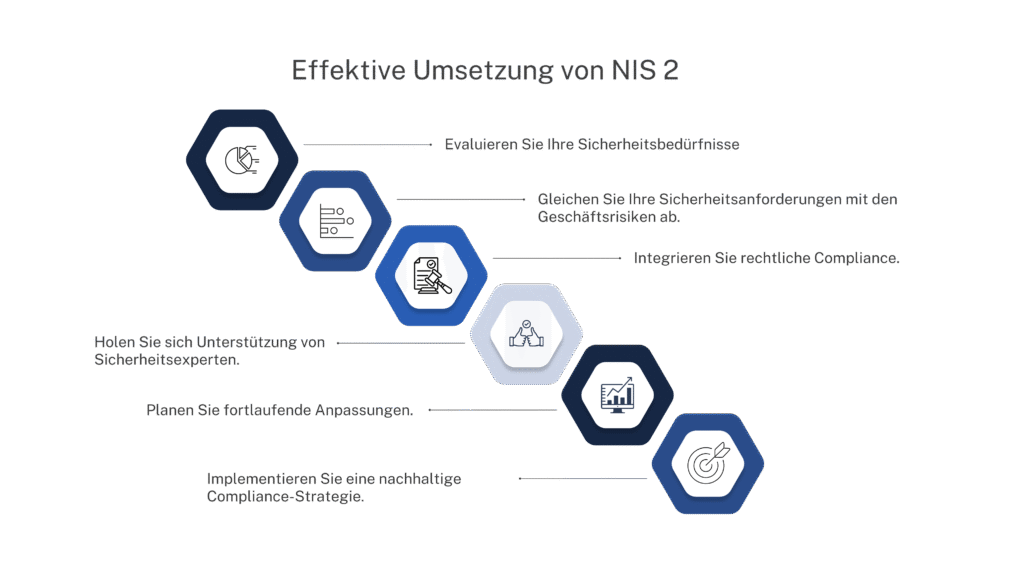
The Difference Between NIS 2 and the EU GDPR
While both directives focus on data protection, there are crucial differences between NIS 2 and the EU General Data Protection Regulation (GDPR). While NIS 2 focuses on the cybersecurity of companies, the GDPR aims to protect personal data. The implementation and compliance with the two directives therefore require different measures and strategies.
The NIS 2 directive focuses on the security of network and information systems to ensure the integrity and availability of critical infrastructures. This means that companies falling under NIS 2 must take specific technical and organizational measures to protect their IT systems from cyberattacks. These include the introduction of security policies, regular review of security vulnerabilities, conducting risk assessments, and implementing incident response plans.
In contrast, the GDPR focuses on the protection of personal data and the privacy of individuals. This means companies that process personal data must ensure that such data is processed lawfully, fairly, and transparently. This requires compliance with strict data protection practices, such as obtaining the consent of data subjects for data processing, ensuring the security and confidentiality of data, and providing mechanisms to fulfill the rights of data subjects, such as the right to access, rectification, and deletion of their data.
More information about the General Data Protection Regulation.
Although the two directives differ in their scope and requirements, it is important to note that companies falling under both NIS 2 and the GDPR must comply with both directives.
This requires careful planning and coordination of security and data protection measures to meet the requirements of both directives while minimizing risks to the company.
NIS 2 Fines and Liability
Companies that do not comply with the requirements of NIS 2 must expect serious consequences. The directive establishes fines that can be imposed depending on the severity of the violation.
Particularly for essential and important entities, these fines can be substantial. Senior management bears the responsibility for ensuring that appropriate cybersecurity risk management measures are implemented and that the directive is properly enforced. Should a violation of NIS 2 be identified, senior management can be held liable.
To promote compliance with the directive and strengthen cybersecurity across the EU, the introduction of certification requirements under NIS 2 is essential. Although NIS 2 itself does not mandate certification, member states or the EU Commission may require essential and important entities to use certain IT products or services that are certified according to European cybersecurity certification schemes.
These certifications ensure that companies meet the required cybersecurity standards and help strengthen the trust of customers, partners, and regulatory authorities in security measures.
Through consistent implementation of certification requirements, companies can not only ensure compliance with the NIS 2 directive, but also improve their resilience to cyber threats and reduce the risk of security incidents.
In view of the strict requirements of NIS 2 and the need to strengthen cybersecurity, it is essential for companies to rely on proven solutions that help them overcome these challenges.
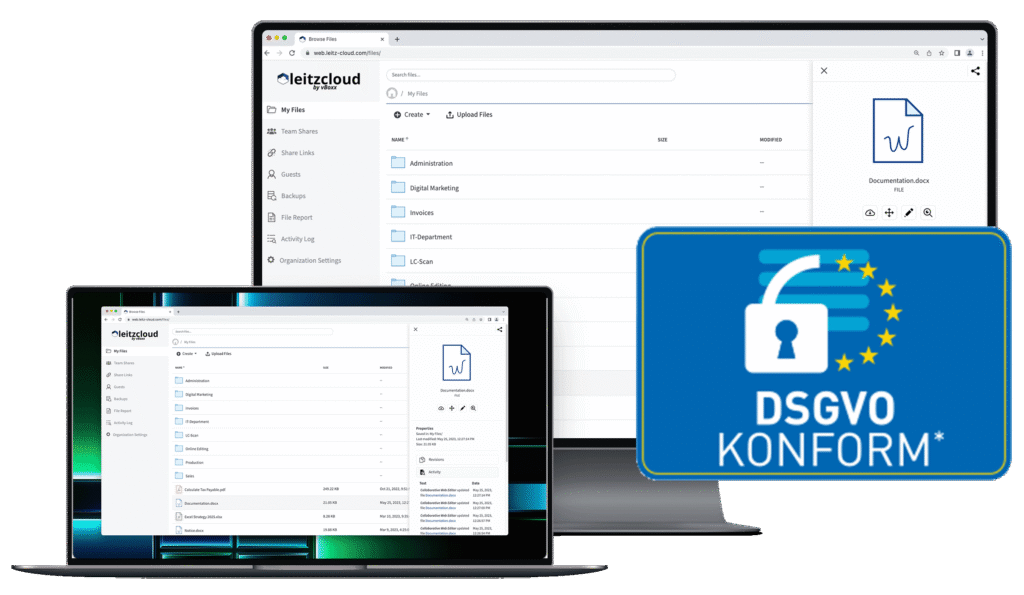
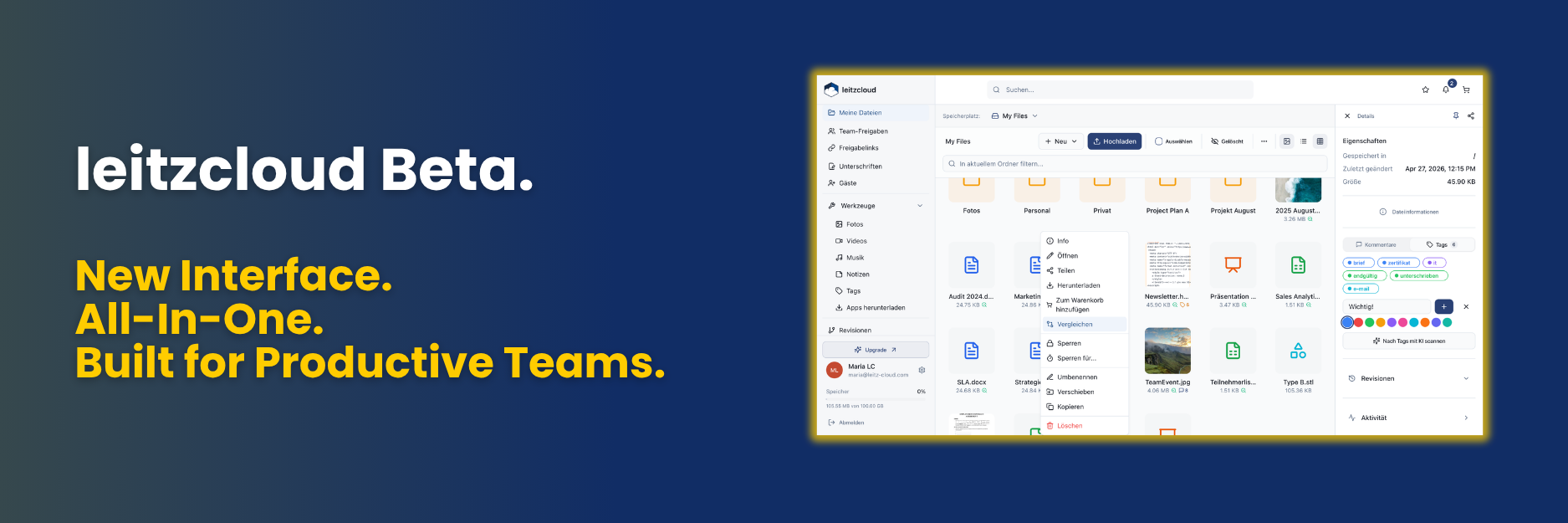
This is where our GDPR-compliant cloud comes into play: leitzcloud by vBoxx offers a secure environment for storing and processing sensitive data that meets the strict requirements of the EU General Data Protection Regulation. Companies can ensure that their data is protected at all times, thanks to encrypted data transmission and storage, access controls, security audits, and automated updates. Additionally, we offer a user-friendly interface and first-class support. Contact us today to learn how leitzcloud can improve your cybersecurity.
Sources: